
In today’s exhibition world, brands are racing to look futuristic – LED walls, XR demos, AI-powered kiosks, screens in every corner. But while the industry pushes deeper into technology, visitor behavior is quietly shifting in the opposite direction.
Visitors aren’t choosing booths based on how advanced they look.
They’re choosing booths based on how real they feel.
And the psychology behind this is powerful.
The Human Brain Responds to Creativity Before It Responds to Technology
We’re wired to trust what feels familiar, emotional, and intentional.
Technology stimulates curiosity-yes, but creativity activates connection.
A visitor may stop because something looks impressive.
But they stay when something feels authentic.
This is where experiential creativity becomes more influential than digital spectacle.
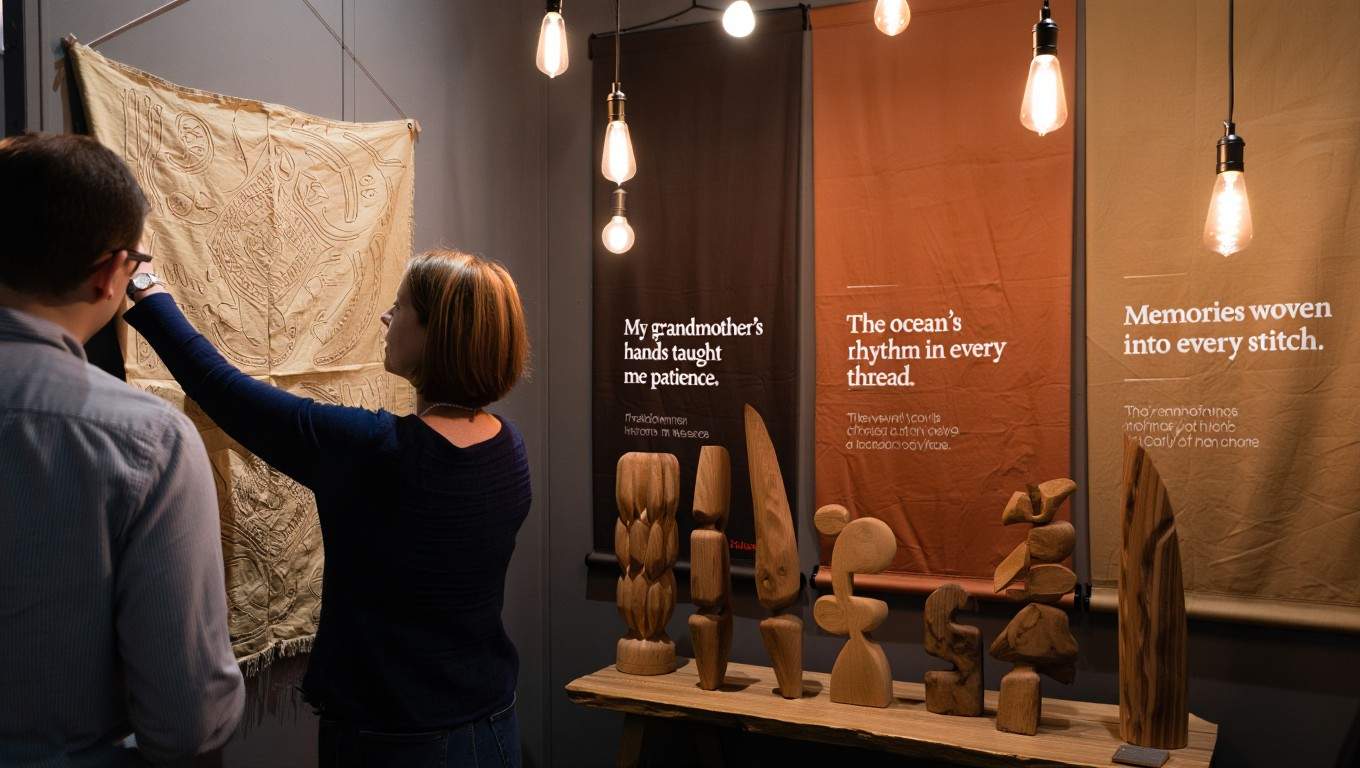
Textures, color choices, handcrafted elements, character-driven narratives-these hit parts of the brain that crave human expression, not machine precision.
Authenticity: The New Currency of Trust
Authenticity has become the most persuasive design element in exhibitions.
Visitors trust booths that:
Look is designed by people, not programmed by systems
express a brand’s personality, not just its product features
feel welcoming rather than intimidating
show effort, emotion, and craftsmanship
In a world of automation, authenticity feels like a relief.
And in an environment filled with high-tech booths, authentic creative ones stand out naturally-because they speak the only language everyone understands: human emotion.
Character-Led Branding: Emotion Is the Shortcut to Trust
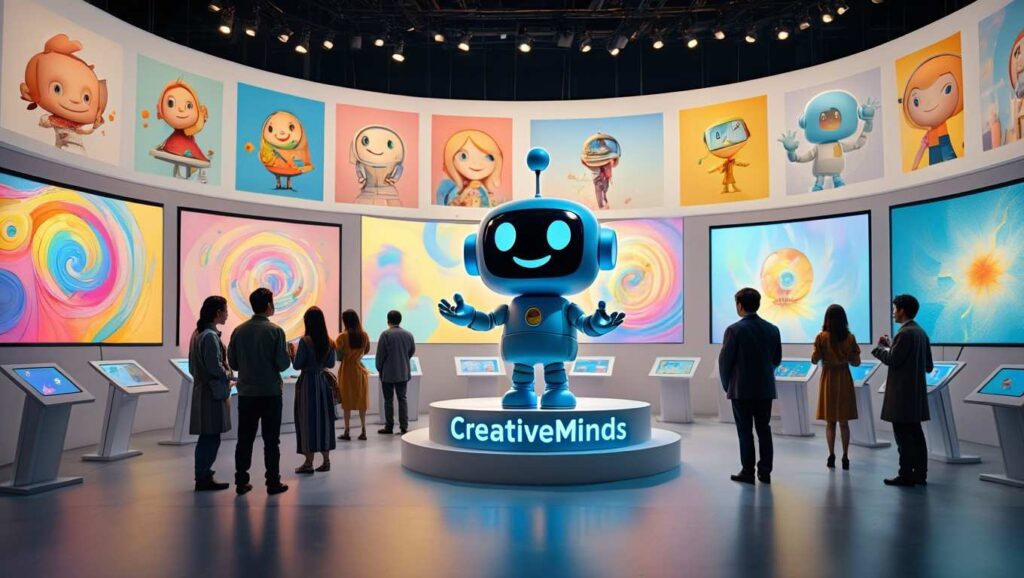
One of the most powerful trends right now is character-led branding.
People connect faster with characters than with logos.
A character can be:
a mascot
a visual story
a symbolic figure
a persona within the booth
or even an interactive creative installation
Character-led elements give the booth a “soul,” which instantly makes the space feel approachable.
This taps into the same psychology that makes fan cultures, cosplays, and performance storytelling so engaging:
People trust what expresses identity.
Human-First Interfaces: Technology Wrapped in Warmth
Technology isn’t the enemy.
Cold technology is.
A booth that relies only on screens feels distant, corporate, and transactional.
But a booth that uses human-first interfaces feels intuitive, friendly, and memorable.
Examples include:
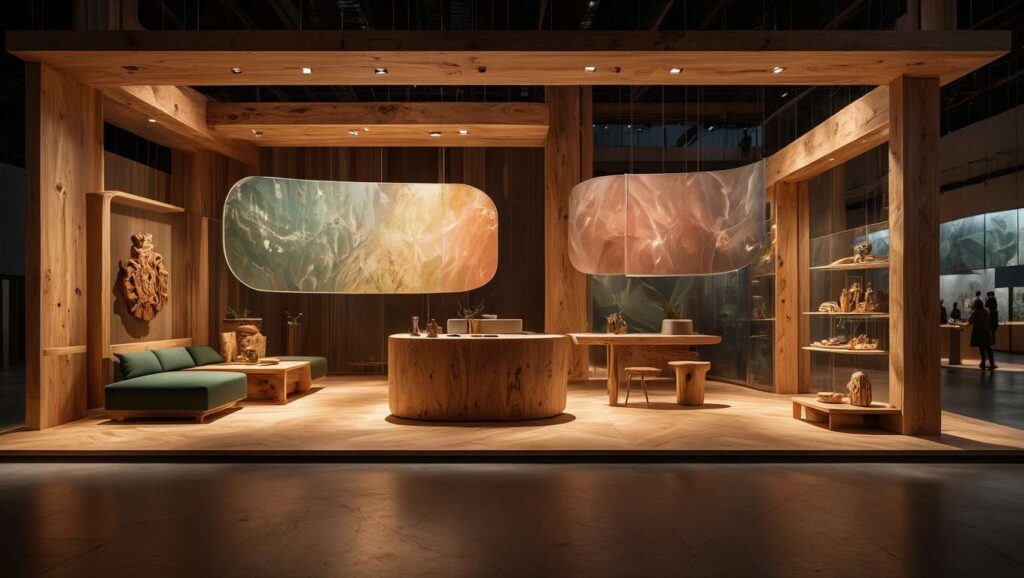
tactile elements mixed with digital experiences
technology triggered by natural gestures
creative lighting instead of harsh displays
soft materials paired with strong tech features
interactive zones that don’t require instructions
When tech feels humanized, it becomes trustworthy.
When tech becomes the entire booth, it becomes overwhelming.
Hybrid Design: Where Trust Is Built Naturally
The most effective booths today combine the strengths of both worlds-
creative authenticity + useful technology.
This is hybrid design, and it’s winning for a reason:
Creativity brings emotion.
Tech brings clarity.
Creativity attracts.
Tech supports.
Creativity sets the mood.
Tech delivers information.
Hybrid design creates balance, and balance builds trust.
Visitors don’t want a full tech lab.
They want a brand experience that feels alive.
Low-Barrier Engagement: The Secret to Higher Footfall
Visitors avoid booths that look complicated.
But they flock to booths that make interaction effortless.
Low-barrier engagement means:
no complex instructions
no awkward touchscreens
no elite-only access
no “VIP only” gates
no intimidating tech walls
This mirrors a rising trend in global events–
letting everyone experience the brand equally.
When a booth removes barriers, it removes hesitation.
When it removes hesitation, trust rises instantly.
Emotional Storytelling: The Most Underrated Trust Builder
A booth that tells a story–
even a simple one–
feels more human than a booth that only lists features.
Emotional storytelling can be expressed through:
narrative-driven visuals
character-led installations
thematic color choices
experience zones
staged scenes
symbolic design details
Emotion doesn’t need technology.
But when paired with creativity, it becomes unforgettable.
So, Why Do People Trust Creative Booths More?
Because creative booths feel:
More human
More intentional
More expressive
Less transactional
More relatable
More emotionally engaging
More memorable
More authentic
Technology impresses people.
Creativity reassures them.
And trust always flows toward what feels real, not what feels perfect.
Final Insight
In the future of exhibitions, brands that rely solely on technology will feel cold and replaceable.
But brands that use creativity to express identity–while using tech only to support the story–will win attention, trust, and loyalty.
Because visitors don’t remember the booth with the brightest screen.
They remember the booth that felt alive.
Leave a Reply